This treatment is not provided at our practice. The information on this page is for general guidance only.
A child's first dental visit should be within six months of the first tooth coming through, usually around the first birthday. Decay in baby teeth is treated too, because it causes pain, can affect the adult tooth underneath and leads to loss of space. Fissure sealants and fluoride are preventive treatments that lower the risk of decay. Children's dental treatment is the field of pediatric dentists.
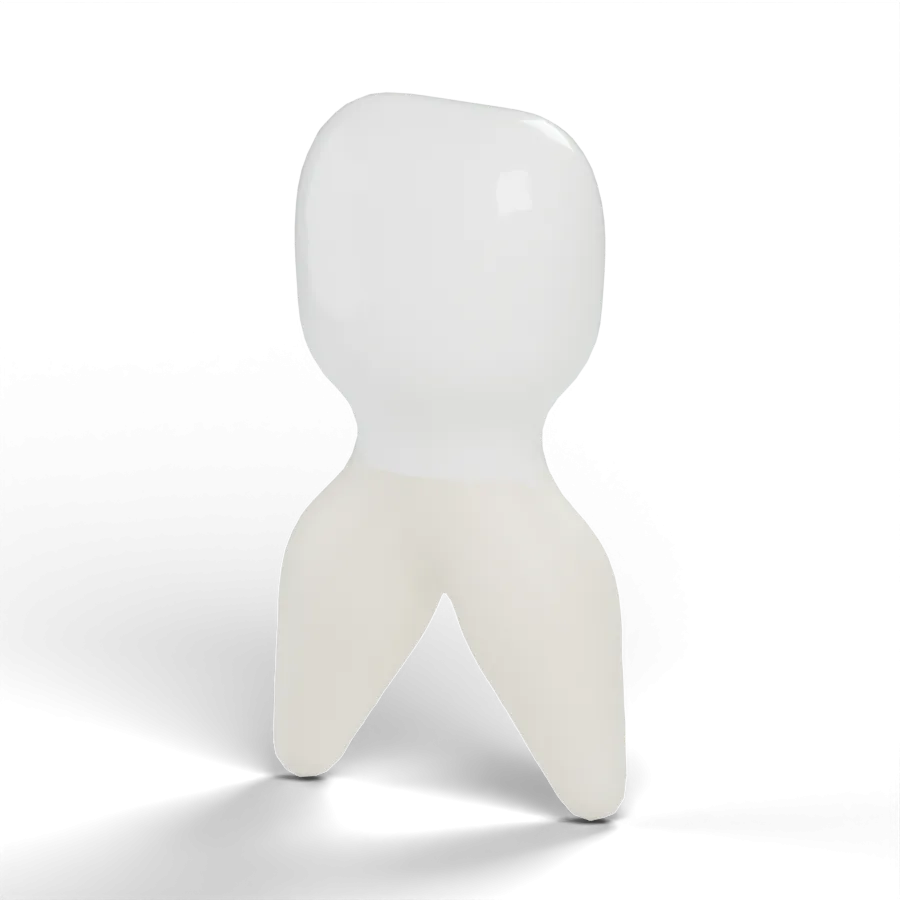
When should a child first see a dentist?
The first dental visit should be within six months of the first tooth coming through, usually around the first birthday. The aim of this visit is not treatment but getting used to the dentist and giving the family information. Questions about feeding, bottles, dummies and toothbrushing are usually covered at this visit.
After that, a check-up every six months is enough for most children. Children's dental treatment and follow-up are the field of pediatric dentists, who specialise in this age group.
The "they will fall out anyway" myth
Decay in baby teeth is treated, for three reasons:
- It hurts. A child may not be able to describe the pain. It shows up as restlessness, poor sleep and refusing food.
- It affects the adult tooth underneath. Infection at the root tip of a baby tooth can damage the enamel of the adult tooth developing just below it.
- It holds space. If a baby tooth is lost early, the neighbouring teeth drift into the gap and the adult tooth cannot find room to come through. Some crowding starts here.
Baby molars at the back stay in the mouth until age 10-12. So the idea that a baby tooth "will fall out soon" is often misleading.
Which treatments are done?
- Fillings. Decay in baby teeth caught early is cleaned and filled much as in adults.
- Root canal treatment in baby teeth. If decay has reached the nerve, this keeps the tooth in the mouth until it is due to fall out.
- Extraction. Done for teeth that cannot be saved, or for baby teeth blocking the adult tooth from coming through. General information is on the tooth extraction page.
- Space maintainer. If a baby tooth was removed early, a small appliance can be fitted to stop the gap closing.
Preventive treatments
Fissure sealants. The deep grooves on the chewing surface of molars are too narrow for a toothbrush to get into. Covering them with a flowable filling material clearly lowers the risk of decay. The tooth is not drilled and anaesthetic is usually not needed. It is usually done when the first adult molars come through, around age 6-7.
Fluoride. It makes enamel more resistant to acids. Depending on the risk of decay, it can be applied twice a year or more often.
Care at home
Brushing starts from the moment the first tooth appears. A rice-grain amount of fluoride toothpaste is enough for children under three, and a pea-sized amount between three and six. Until the child is old enough to brush properly alone, usually until age 7-8, an adult needs to finish the brushing. Giving milk or fruit juice in a bottle at night is one of the most common causes of decay.
Dummies, thumb sucking and jaw development
Dummies and thumb sucking are normal at a young age. If they continue beyond age 3-4, they can push the upper front teeth forward and leave a gap between the front teeth. Mouth breathing, snoring and the tongue pushing against the teeth can also affect jaw development. The pediatric dentist looks at these at check-ups too. Some problems spotted early are easier to guide during growth. If needed, the timing of an assessment by an orthodontist is discussed.
Falls and knocks
Dental injuries are common in children. If a baby tooth is broken, loose or has changed colour, a dentist should see it without delay. A baby tooth that has been knocked out is not put back, as this can damage the adult tooth underneath. If an adult tooth has been knocked out, it is different: hold the tooth by the crown, not the root, put it in milk and get to a dentist straight away. First steps after a dental injury are covered on the emergency dentist page.
Not making fear bigger
A child's first meeting with the dentist should not happen when they are in pain. For a child who goes for regular check-ups, the dental surgery is a familiar place. For a child who goes for the first time with toothache, it is not.
At home, it is best to avoid phrases like "don't be scared", "it won't hurt" or "there won't be a needle". These words put an idea in the child's mind that was not there before. Simple phrases like "the dentist is going to count your teeth and look at pictures of them" work better.
When a very young child needs many teeth treated, the pediatric dentist may suggest treatment under sedation or general anaesthetic. This decision depends on the child's age, cooperation and the extent of treatment needed.
Frequently asked questions
At what age should a child first see a dentist?
Within six months of the first tooth coming through, usually around the first birthday. The aim of this visit is not treatment but getting used to the dentist and giving the family information.
Baby teeth fall out anyway. Do they still need treatment?
Yes. A decayed baby tooth causes pain, infection at its root tip can damage the adult tooth underneath, and a baby tooth lost early narrows the space for the adult tooth.
At what age are fissure sealants applied?
Usually when the first adult molars come through, around age 6-7, and around age 11-13 for the second molars. The tooth is not drilled and anaesthetic is usually not needed.
How often should children have dental check-ups?
Usually every six months. For children at high risk of decay, check-ups may be more frequent.
A child is very scared of the dentist. What can parents do?
At home, try not to use words like fear, needle or pain, and plan the first visit for a time when there is no toothache. Many pediatric dentists set aside the first visit just for meeting the child and an examination.

Written and reviewed by: Dt. Ahmet Alper Güler
Dentist in Trabzon. Last updated: November 16, 2026. This article is general information; the right treatment for you is decided after an examination.
Book an examination
Call us or choose a time that suits you in the online booking system.